Why Are Older Star Quarterbacks Almost Entirely Gone Now?
In 2024, the NFL feels like it’s standing at a crossroads—a true bridge season where we see the fading of one quarterback era and the uncertain ascent of another. Ask anyone who follows the game and they’ll tell you that the league’s quarterback landscape is shifting dramatically. The days of having a stable core of veteran star QBs anchoring teams seem to be behind us, replaced by a rapidly emerging new generation. But why exactly is this happening, and what does it mean for the game moving forward?
From unpredictable week-to-week swings to the ongoing offense-versus-defense pendulum, the NFL’s quarterback aging curve reflects deeper league-wide trends. To understand this, we need to look beyond simple retirements and examine the fundamental transformations reshaping the league. Whether you're scrolling through YouTube highlight reels or diving into historical entries on Britannica, today’s NFL quarterback scene tells a story of evolution and renewal.
The QB Aging Curve in the NFL: What’s Really Happening?
The idea of a "qb aging curve NFL" is an accepted football concept—quarterbacks usually peak between ages 27 and 33, after which performance typically declines. However, this traditional curve seems to be shifting in recent years with star QBs retiring earlier than before and teams experimenting with younger, more athletic prospects.
Several factors accelerate this shift:
- Increased physical demands and injury risks: The league is faster, harder hitting, and the focus on mobile QBs means older pocket passers often struggle to adapt.
- Salary cap pressures: Veteran QBs with big contracts become luxury assets, leading teams to prefer cost-controlled rookie deals, especially as the rookie wage scale was implemented.
- Recognizing long-term health consequences: More awareness about concussions and injuries leads some veterans to choose retirement earlier.
- Offensive system changes: Spread offenses and high-tempo schemes favor younger QBs fluent with these styles, reducing opportunities for aging throwers.
Ask any NFL analyst or visit sites like Britannica for the history of the quarterback role, and you’ll find this isn’t unprecedented, but the slope of decline now appears steeper than a decade ago.
A Table: Typical QB Career Length vs. 2024 Trends
Era Avg. QB Career Length Star QB Retirement Age Notable Trend 1990-2005 12-15 years 35-38 Long tenures, Brady, Manning examples 2006-2019 10-13 years 33-36 Gradual early retirements begin 2020-2024 8-11 years(trend toward shorter) 30-34 Rapid retirements, younger QBs emergingTakeaway: The career length of star NFL quarterbacks is contracting, feeding the rapid depletion of older QBs.
Retirements Are Changing the League's Quarterback Dynamics
Since 2019, retirements from big-name veterans have picked up pace, signaling a tectonic shift. For example, the departures of quarterback titans like Tom Brady, Drew Brees, and Philip Rivers in quick succession reflect more than just individual choice—they reveal an evolving league environment.
Ask Gamblers’ recent reports highlight this trend’s impact not just on team building but also on betting dynamics. With established stars leaving, the NFL’s unpredictability spikes. Week-to-week swings become more pronounced because young QBs and second-stringers often lack consistency. This unpredictability challenges coaches, front https://casinocrowd.com/how-did-the-early-2020s-offensive-wave-start/ offices, and fans alike.
Instagram and YouTube have become informal hubs for fans tracking these changes, from highlights of breakout performances to fan debates over "who’s the next franchise QB?" Watching these platforms, you encounter stark contrasts in style and demeanor between millennials and the latest rookies. Social media brings the youth movement front and center, further emphasizing how retirements reshape the quarterback marketplace.
It’s also crucial to see this trend in the context of the NFL’s salary cap and draft order mechanics. Trading away or releasing aging QBs often frees cap space, allowing teams to draft and develop the "new QB generation" rather than investing heavily in past-prime players.
Key Retirements Impacting the 2024 Quarterback Pool
- Tom Brady (Retired 2022) – The "GOAT" era officially shifted.
- Drew Brees (Retired 2021) – Brought stability to offenses for years.
- Philip Rivers (Retired 2020) – Prototypical pocket passer fading out.
- Aaron Rodgers (at crossroads in 2024) – Reflects tension between old guard and new.
Takeaway: Retirements catalyze a rapid reordering of the NFL hierarchy, making the NFL less predictable and more volatile.

The NFL’s Offense vs. Defense Pendulum and Its Effect on QBs
The NFL’s history is rich with eras where either offense or defense dominates, swinging like a pendulum over the decades. The 1980s saw dominant defenses like the ’85 Bears, pushing offenses to be innovative. Then the 2000s and 2010s embraced passer-friendly rules boosting offensive stats.
As Britannica’s summary of professional football explains, the league adjusts its rules and gameplay to maintain competitive balance. In 2024, we're witnessing another subtle shift where defenses start catching up with offenses, pressuring quarterbacks more and leading to quicker turnovers and game swings.
Older quarterbacks, often relying on pocket passing and timing mechanisms developed in previous offensive schemes, find themselves pressed hard against newer defensive systems and athletes. Meanwhile, younger quarterbacks benefit from more fluid schemes emphasizing athleticism, improvising under pressure instead of relying solely on reads and timing.
This pendulum shift creates a high-risk environment for aging QBs to maintain success. It also explains why teams hesitate to stick long-term with aging veterans when younger options promise adaptability.
Takeaway: The ongoing offense-defense pendulum in the NFL forces QB adaptation, often accelerating the exit of older quarterbacks.
Quarterback Era Transitions: From Legends to New Faces
Any student of NFL history knows quarterback eras define the sport’s rhythm. The 1970s had the likes of Terry Bradshaw and Roger Staubach, the 1990s the "Greatest Show on Turf" and the rise of Brett Favre, and the 2000s to early 2020s crowned Tom Brady and Peyton Manning as royalty.
But 2024 stands as a "bridge season"—a moment where remnants of the previous era linger, even as the new one surges. Quarterbacks like Patrick Mahomes, Justin Herbert, and Joe Burrow indicate https://varimail.com/articles/how-do-i-compare-2024-to-the-early-2000s-without-cherry-picking/ the future, blending mobility, arm strength, and mental acuity. This "new QB generation" carries different skill sets and leadership styles matched to the modern NFL's demands.
Yet this transition isn’t instantaneous or neat. The weekly unpredictability of games, frequently discussed by NFL commentators and seen in highlight compilations on YouTube, reveals how teams are still figuring out their identities. The old guard hangs on just enough to compete, but the momentum favors youth, speed, and adaptability.
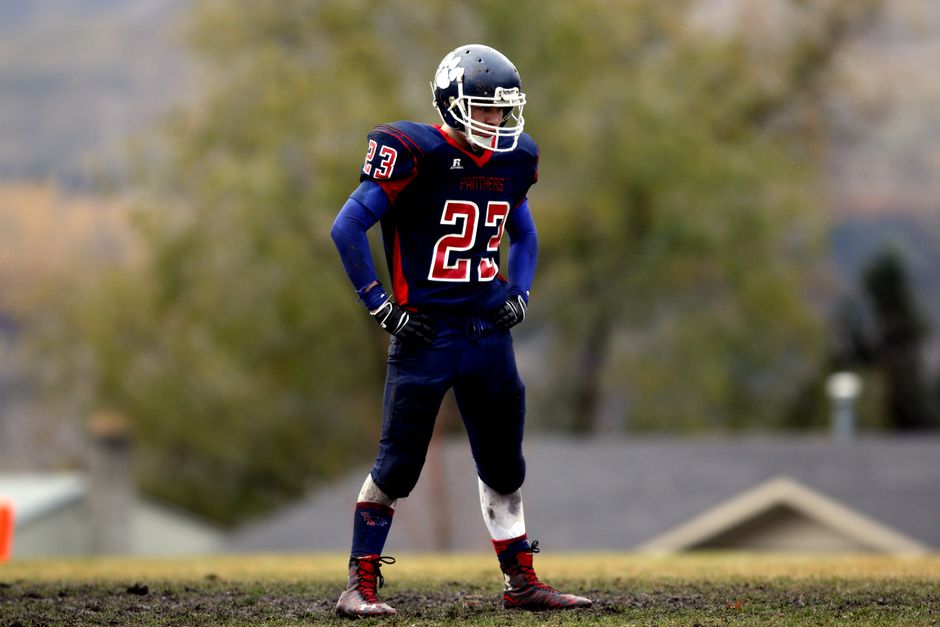
Looking back, these transitions echo past NFL moments where legends passed the torch. The difference today is that retirements come faster and the league cycles through talents more quickly.
Takeaway: The NFL is experiencing a quarterback generational handoff marked by shorter veteran careers and rising young stars reshaping the game.
Final Thoughts: Does This Matter in Five Years?
The disappearance of older star quarterbacks isn’t just a headline or a temporary quirk. It echoes deeper structural changes in the NFL—both on and off the field. Rising retirements, shifting offensive paradigms, and the relentless march of younger QB talents all coalesce to speed up the “qb aging curve NFL.”
From the unpredictability of week-to-week outcomes to the evolving nature of offense-defense battles, 2024 is a snapshot of a league in flux. But fast-forward five years and these trends likely won’t seem like disruptions but the new normal. Veteran QBs may still exist, but the dominance of older stars yielding to new faces is now baked into the NFL’s DNA.
If you want to keep your ear to the ground on this topic, keep an eye on Ask Gamblers’ NFL futures, scan YouTube for emerging QB highlights, and follow NFL social chatter on Instagram. Reflecting on the big picture is painful for some fans, but this transition period also signifies a rejuvenated league with stories yet to be told.
And that, as always, is what makes the NFL worth watching—and blogging about—for years to come.